Some of the most memorable rooms aren’t the ones filled with expensive furniture—they’re the ones that feel personal.
A name on the wall.
A soft glow in the corner.
A small detail that makes the space feel like it belongs to you.
That’s why signs have quietly become part of home decor. Not in a loud, commercial way—but in a way that adds personality, mood, and identity to a space.
Why signs are becoming part of everyday home decor
At home, decoration isn’t about visibility—it’s about feeling.
People aren’t choosing signs to be seen from across the street. They’re choosing them to:
-
Make a space feel more personal
-
Add soft lighting and atmosphere
-
Reflect hobbies, interests, or identity
-
Create something unique that isn’t mass-produced
In many cases, one small sign can change how a room feels more than adding another piece of furniture.
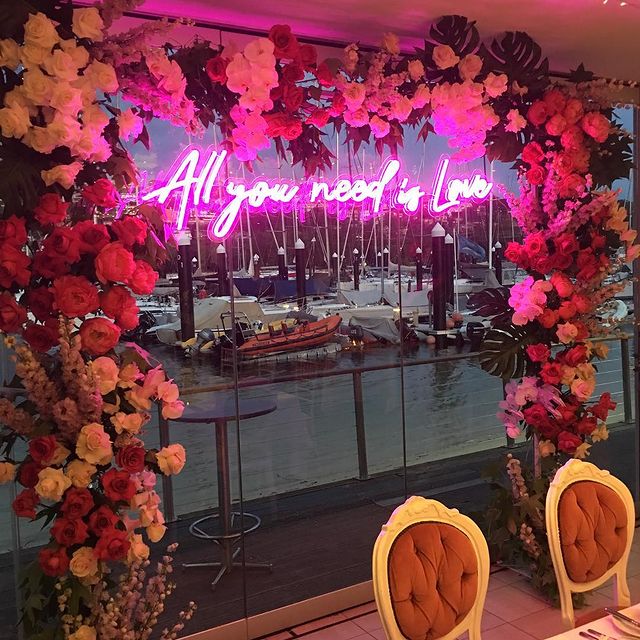
The most popular type: LED neon signs
If you look at how people actually decorate their rooms today, one thing stands out—
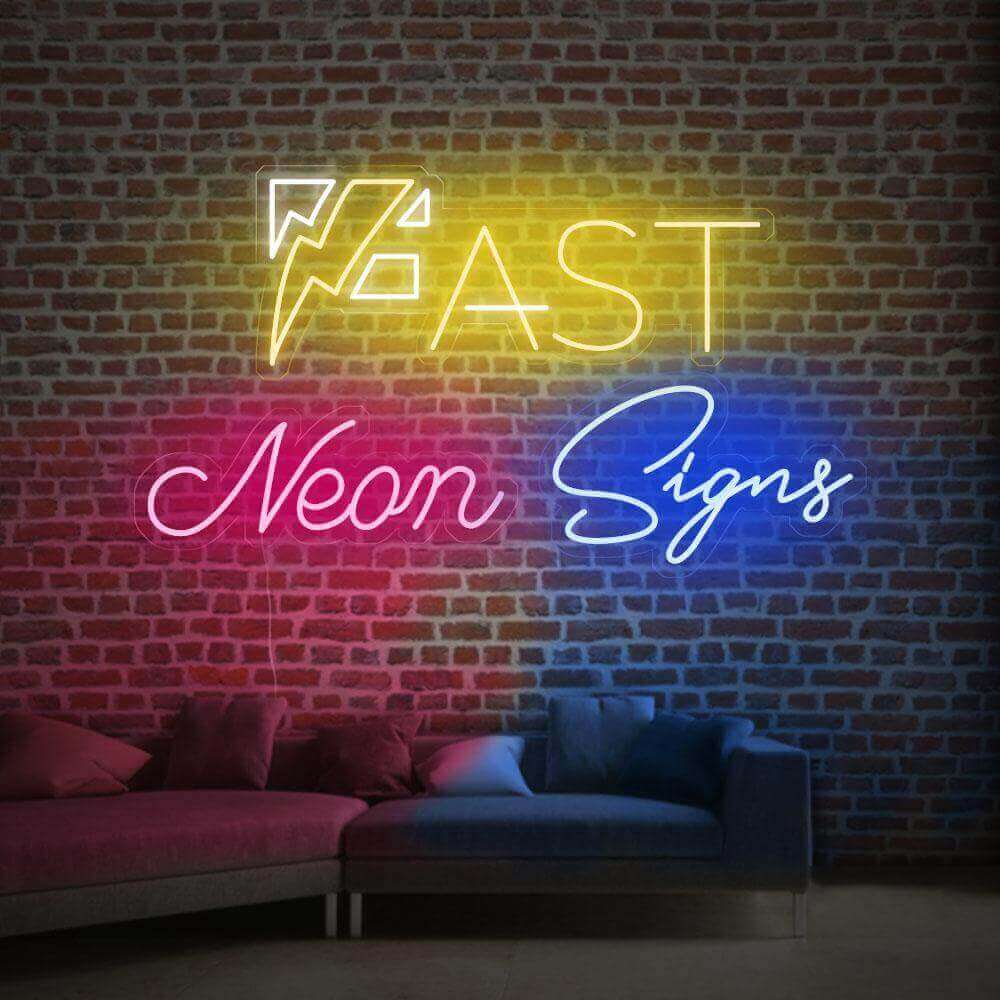
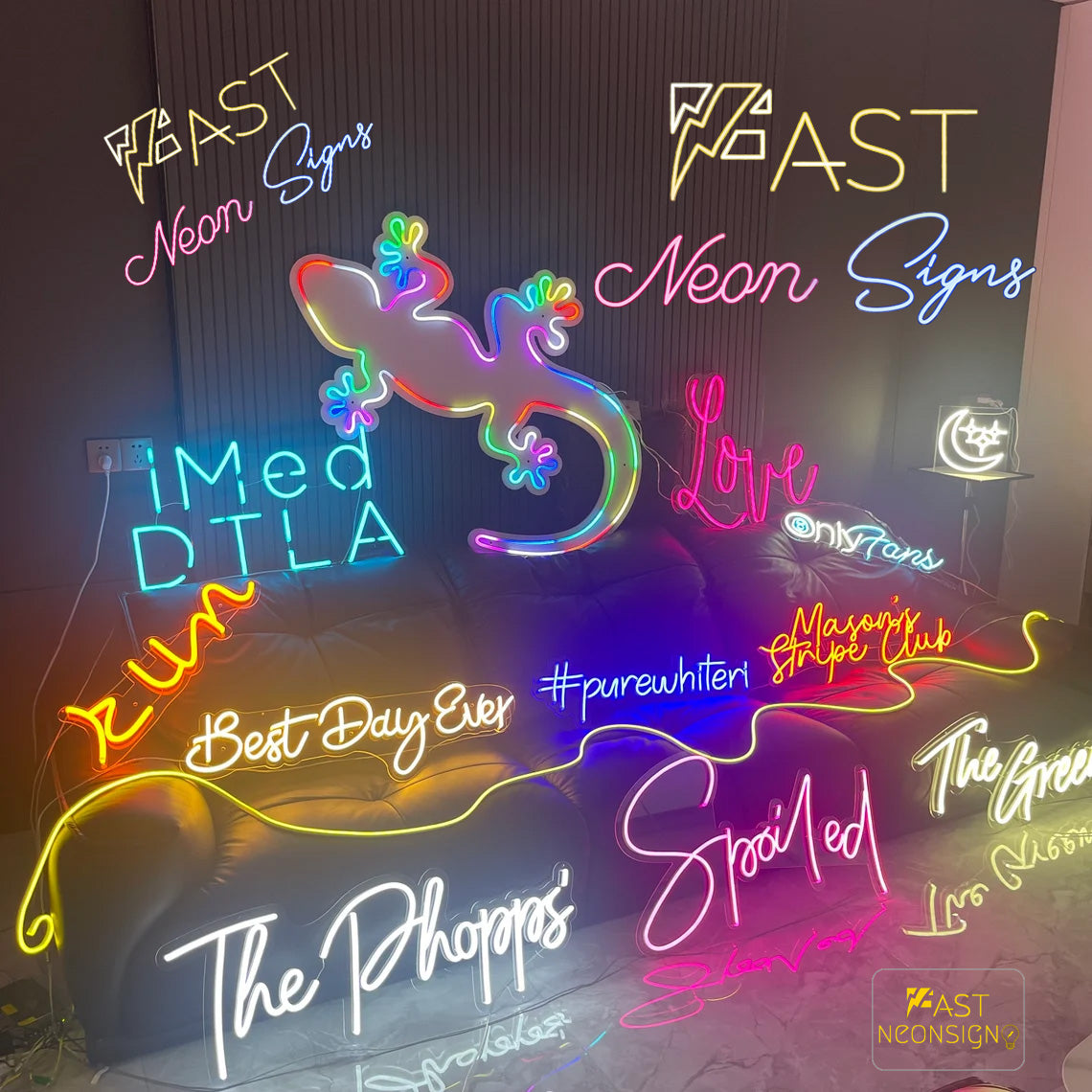
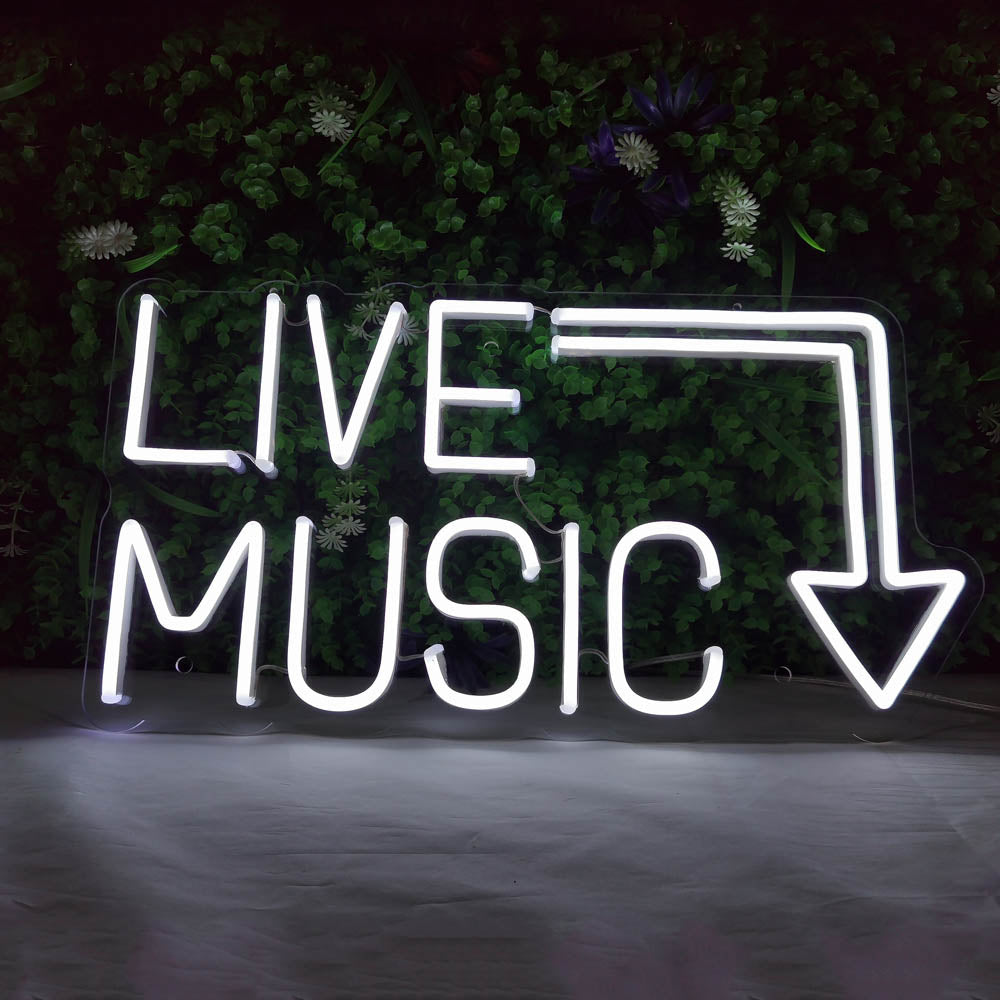
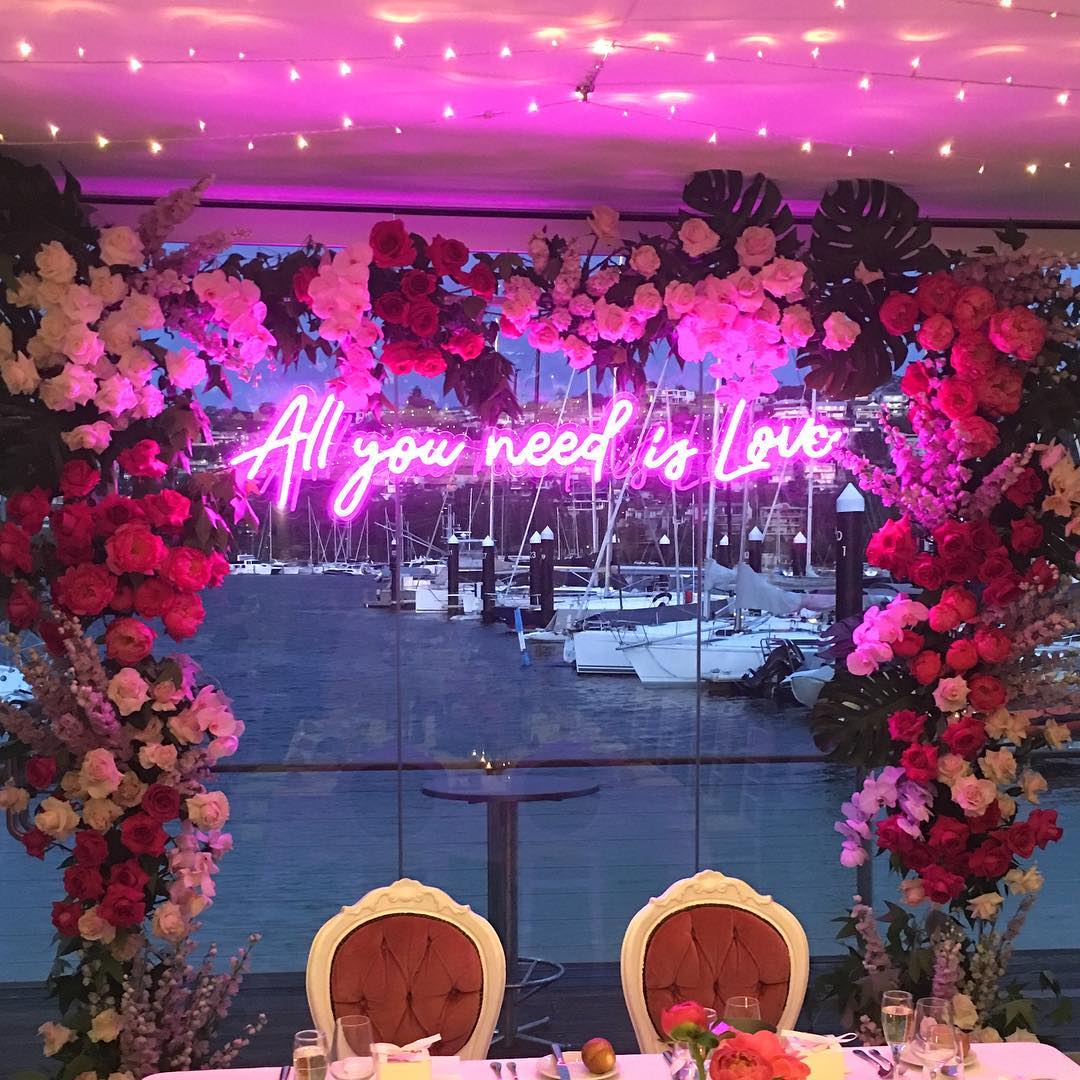
LED neon signs are everywhere.
They’re not just decoration anymore. They’ve become part of how people express themselves at home.
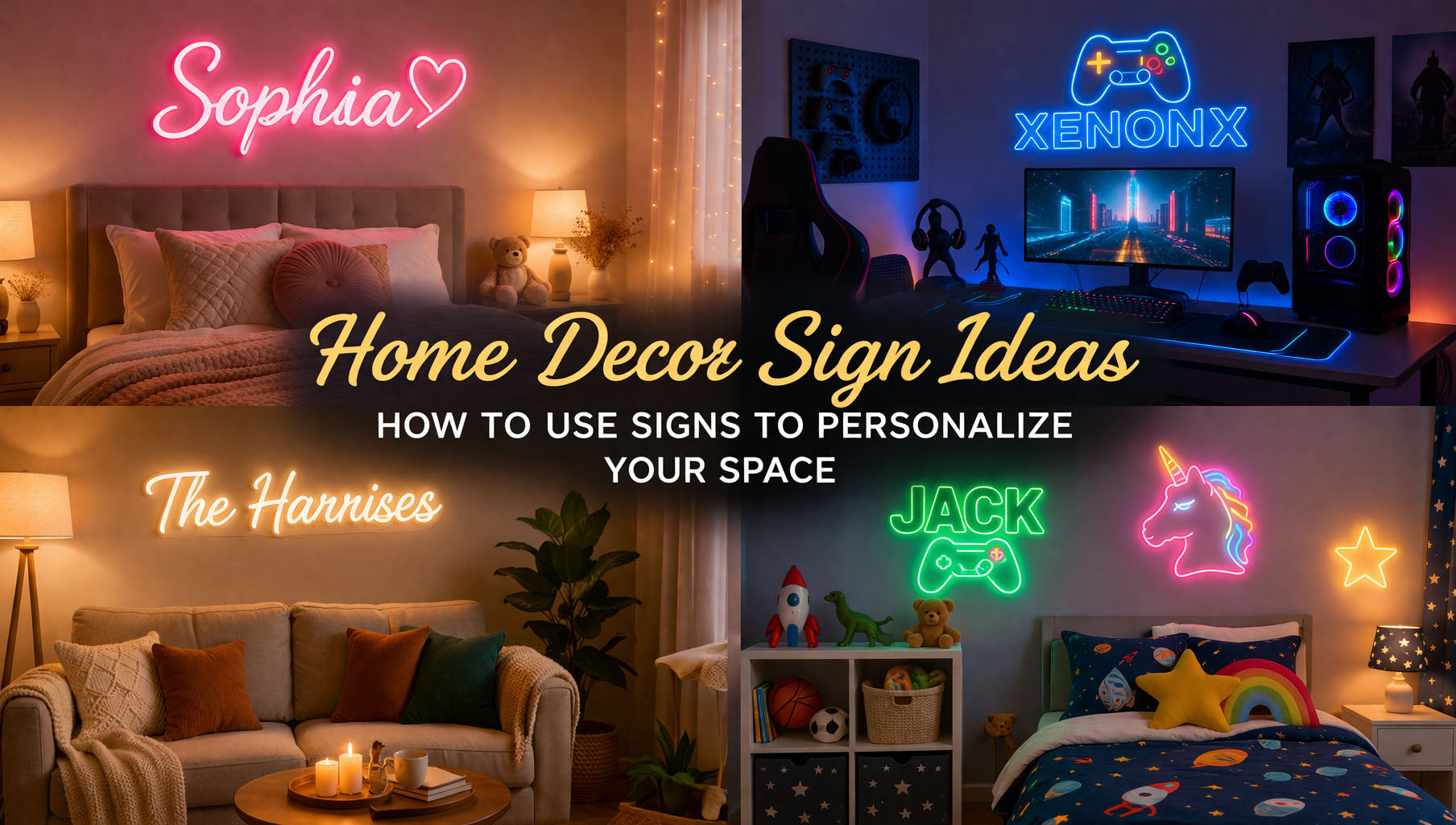
Personalized names and custom text
One of the most common uses is simple:
your name, a word, or a phrase.
-
Names above the bed
-
Couples’ names in shared spaces
-
Short words like “Dream”, “Relax”, or “Home”
It’s subtle, but it makes the space feel uniquely yours.
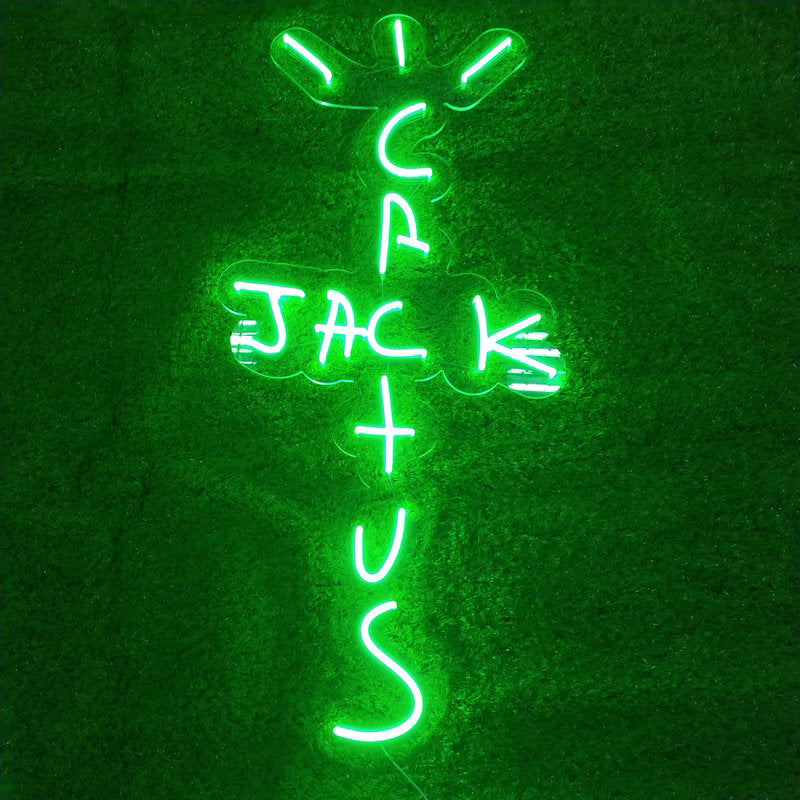
Gaming setups and personal spaces
Neon signs are especially popular in gaming rooms and desk setups.
Custom gamer tags, icons, or symbols add personality to a space that’s already very individual.
They’re often used:
-
Behind a desk setup
-
On a wall near monitors
-
As part of a streaming background
Gifts that feel personal
Custom neon signs are also becoming a popular gift choice.
Instead of something generic, people choose something customized:
-
A name
-
A meaningful date
-
A phrase with emotional value
It turns a decorative item into something more memorable.
Bedroom and living room atmosphere
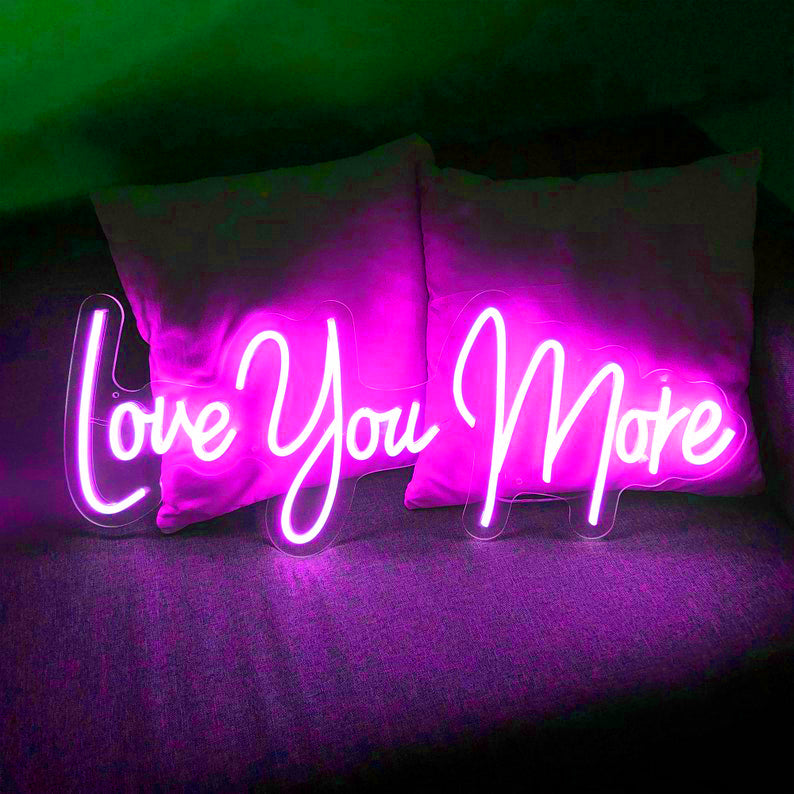
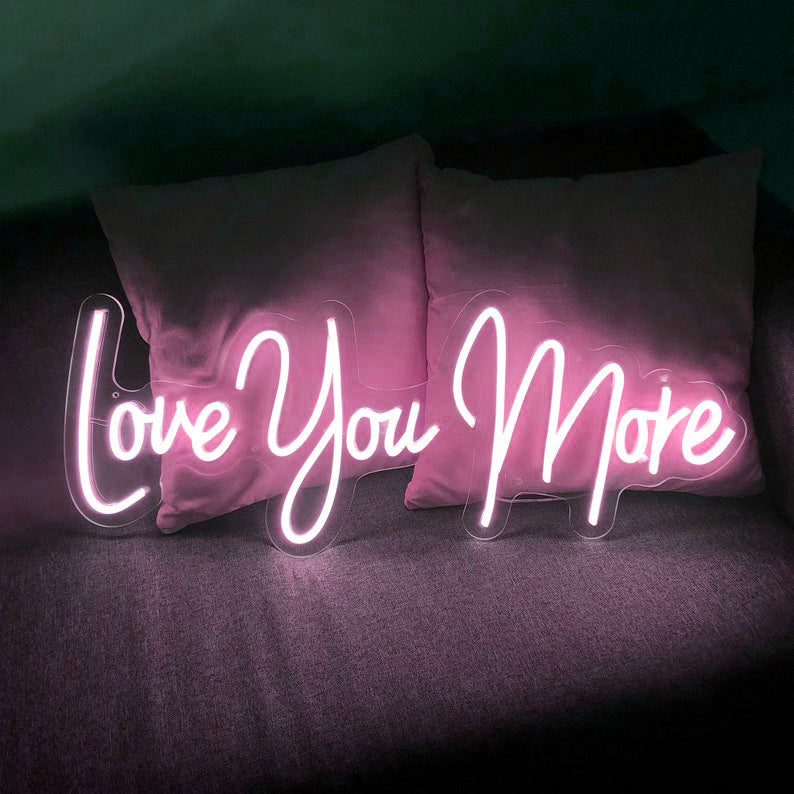
Beyond personalization, neon signs are simply a great way to shape a room’s mood.
-
Warm white or soft colors for a calm bedroom
-
Brighter tones for a playful or creative space
-
Accent lighting in living rooms
Unlike traditional lighting, they feel softer and more intentional.
Other sign styles (less commonly used at home)
Not all sign types are equally common in home spaces.
Acrylic signs
Acrylic signs can work well in certain interiors, especially if you prefer a clean, minimal look.
They’re often used in:
-
Modern or neutral spaces
-
Subtle wall decor
-
Small branding-style elements (like a logo or typography)
But compared to neon, they tend to feel quieter and less atmospheric.
Functional metal signs
Metal signs are rarely used as decorative pieces inside the home.
Instead, they’re more commonly used for functional purposes, such as:
-
House numbers
-
Nameplates
-
Entry or door signage
They’re durable and practical—but not usually the main focus of interior decor.
Lightbox signs (rare in home decor)
Lightbox signs are not commonly used in home settings.
They’re designed more for visibility and readability, which makes them better suited for commercial spaces rather than personal environments.
That said, they can still work in specific cases like message boards or entryway accents.
Where signs work best in a home
Placement often matters more than the sign itself.
Bedroom signs
One of the most popular spaces for neon signs.
-
Above the bed
-
On a feature wall
-
Near a mirror or corner
Soft lighting works especially well here.
Living room signs
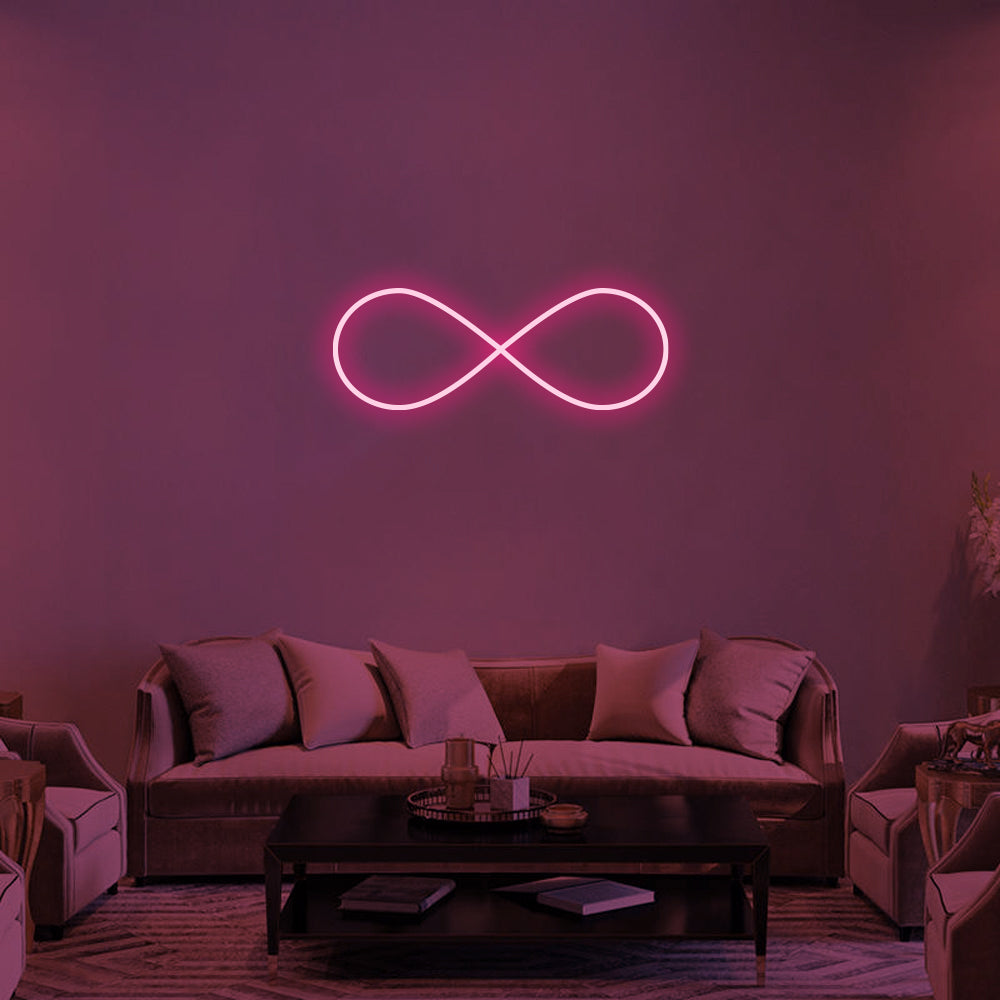
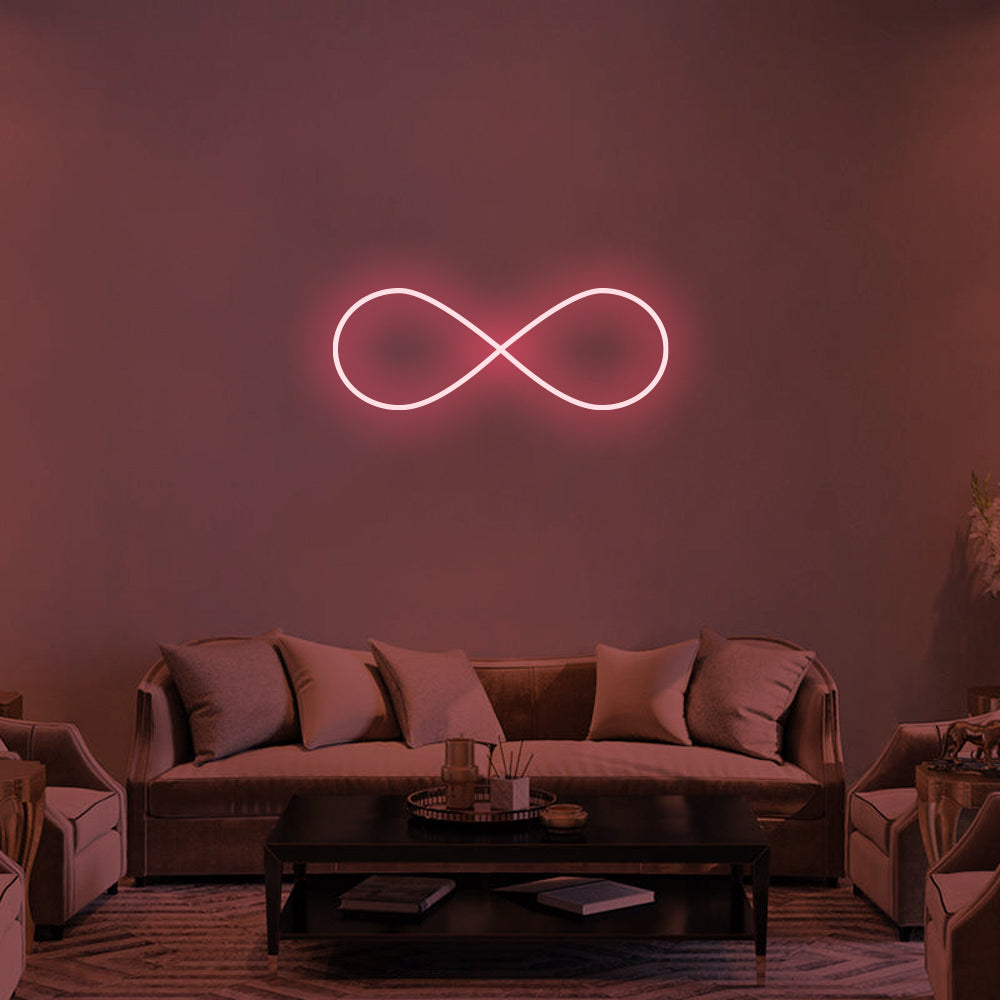
In living rooms, signs tend to act as subtle focal points.
-
Behind the sofa
-
On a main wall
-
As part of a layered decor setup
Desk or gaming area signs
Highly personal and expressive.
-
Gamer tags
-
Symbols
-
Custom text
This is where people tend to be the most creative.
Entryway signs
Less about decoration, more about identity.
A small sign here can quietly define the space as soon as someone walks in.
How to choose the right sign for your space
Instead of thinking about materials first, think about the feeling you want.
Do you want the room to feel:
-
Calm and soft
-
Creative and expressive
-
Minimal and clean
From there, the choice becomes easier:
-
For atmosphere and personality → neon signs
-
For subtle design → acrylic signs
-
For function → metal signs
Most homes don’t need many elements—just the right ones.
A few small details that make a big difference
The impact of a sign often comes down to small choices:
-
Size compared to the wall
-
Placement height
-
Color temperature
-
Brightness level
These are the details that make something feel intentional instead of random.
FAQ
Are neon signs safe for home use?
Yes, modern LED neon signs are designed to be safe, energy-efficient, and suitable for indoor use.
Do I need a large sign for it to look good?
Not necessarily. Smaller signs often work better, especially in bedrooms or personal spaces.
Can I customize a sign for my room?
Yes, customization is one of the main reasons people choose neon signs for home decor.
Final thoughts
Home decor doesn’t have to be complicated.
Sometimes, it’s just about adding one element that feels personal—something that reflects who you are and how you want your space to feel.
And in many homes today, that element happens to be a sign.