
Acrylic Signs: A Complete Guide to Structures, Lighting, and Applications
When people think of acrylic signs, they often imagine a simple flat panel on the wall.
But in reality, acrylic is not a single type of sign — it’s a material used across a wide range of structures, from minimal interior branding to fully illuminated signage systems.
Understanding how acrylic is applied is what actually helps you choose the right sign.
What are acrylic signs?
Acrylic signs are made from durable plastic sheets that can be clear, frosted, or colored.
They can be printed, engraved, cut into shapes, or combined with lighting.
Because of this flexibility, acrylic is one of the most widely used materials in modern signage.
You’ll find it in everything from clean office logos to illuminated storefront signs.
A material, not a format
Acrylic doesn’t define the sign — the structure does.
The same material can appear completely different depending on how it’s built, mounted, and illuminated.
That’s why instead of thinking “Do I need an acrylic sign?”, a better question is:
👉 What type of acrylic sign fits my space?
Acrylic sign structures & lighting options
1. Flat acrylic panels (non-lit)
The simplest form of acrylic signage.
- Printed or UV graphics on clear or frosted panels
- Mounted with standoffs or directly onto walls
- Clean, minimal, and easy to integrate into interiors
👉 Best for:
- Offices
- Reception areas
- Directional or informational signage

2. Backlit acrylic signs
Acrylic panels combined with rear or internal lighting.
- Soft, even glow around or through the surface
- Adds depth without overwhelming the space
- Common in logo walls and premium interiors
👉 Often used in backlit signage for a refined look.

3. Front-lit acrylic signs
Acrylic faces with internal LED lighting shining outward.
- Bright and highly visible
- Strong contrast, especially at night
- More commercial and attention-focused
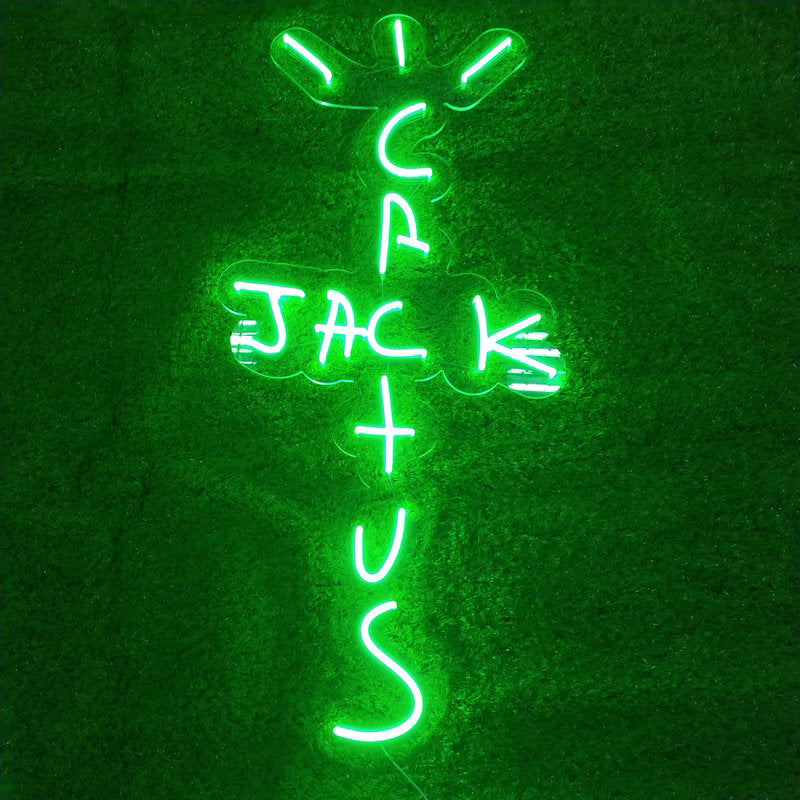
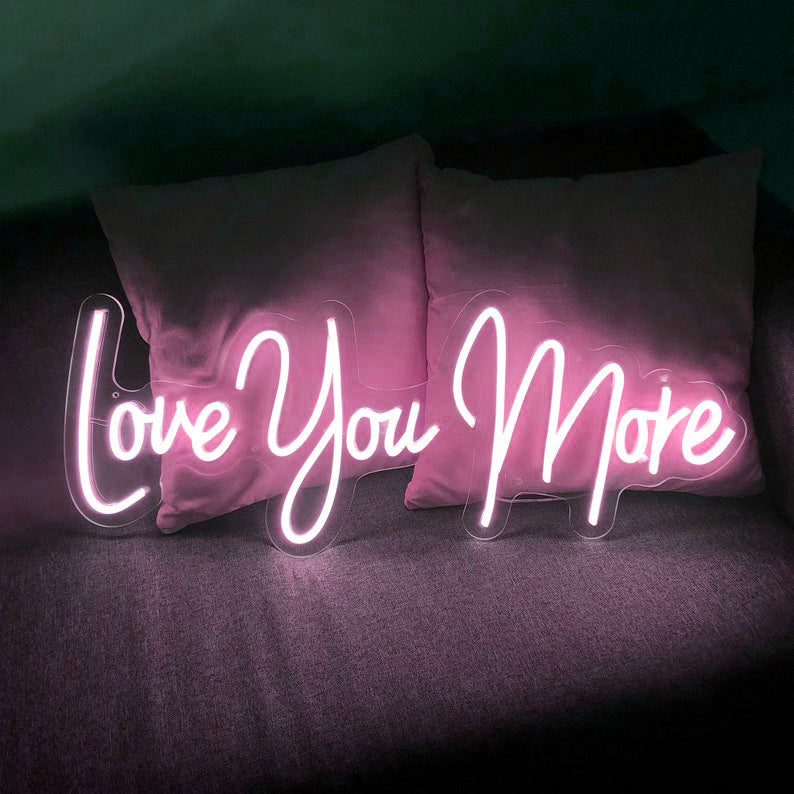
- Neon LED Vibrant Color
👉 Visually similar to Acrylic Front-lit Signage & UV Printing Art Neon Signs.

4. Acrylic letter signs (non-lit)
Individually cut acrylic letters mounted to the wall.
- Clean, dimensional appearance
- Creates natural shadows for depth
- Minimal but more premium than flat panels

5. Acrylic channel letters (illuminated)
Acrylic is commonly used as the face of channel letters.
- Internal LED lighting inside each letter
- Can be front-lit, backlit, or combination-lit
- Suitable for both indoor and outdoor signage
👉 Explore acrylic channel letters & full-lit channel letter signage for more options.

Where acrylic signs work best
Acrylic signage performs best in spaces where:
- Viewing distance is relatively close
- Lighting conditions are controlled
- The goal is clarity and presentation, not just visibility
Common applications include:
- Reception and lobby logo walls
- Retail store interiors
- Clinics, salons, and studios
- Indoor branding environments
How acrylic compares to other sign materials
Acrylic sits in the middle of the signage spectrum — balancing clarity, flexibility, and cost.
- Compared to LED neon signs → more structured, less expressive
- Compared to metal signs → lighter and more versatile
- Compared to lightboxes → less bold, but more refined
This balance is what makes acrylic one of the most commonly used materials in modern branding.
Pros and cons
Pros
- Clean and modern appearance
- Highly versatile in structure and design
- Lightweight and easy to install
- Works well with both lit and non-lit designs
Cons
- Less impactful from long distances
- Not as durable as metal for harsh outdoor use
- Requires lighting to stand out at night
When should you choose acrylic signs?
Acrylic is a strong choice when:
- Your sign will be viewed up close
- You want a clean, minimal, or modern look
- The environment already has good lighting
- Branding and presentation matter more than visibility
A quick decision guide
If your goal is:
- Clean interior branding → Custom Acrylic Signage
- High visibility storefront → Custom Lightbox / Channel letters
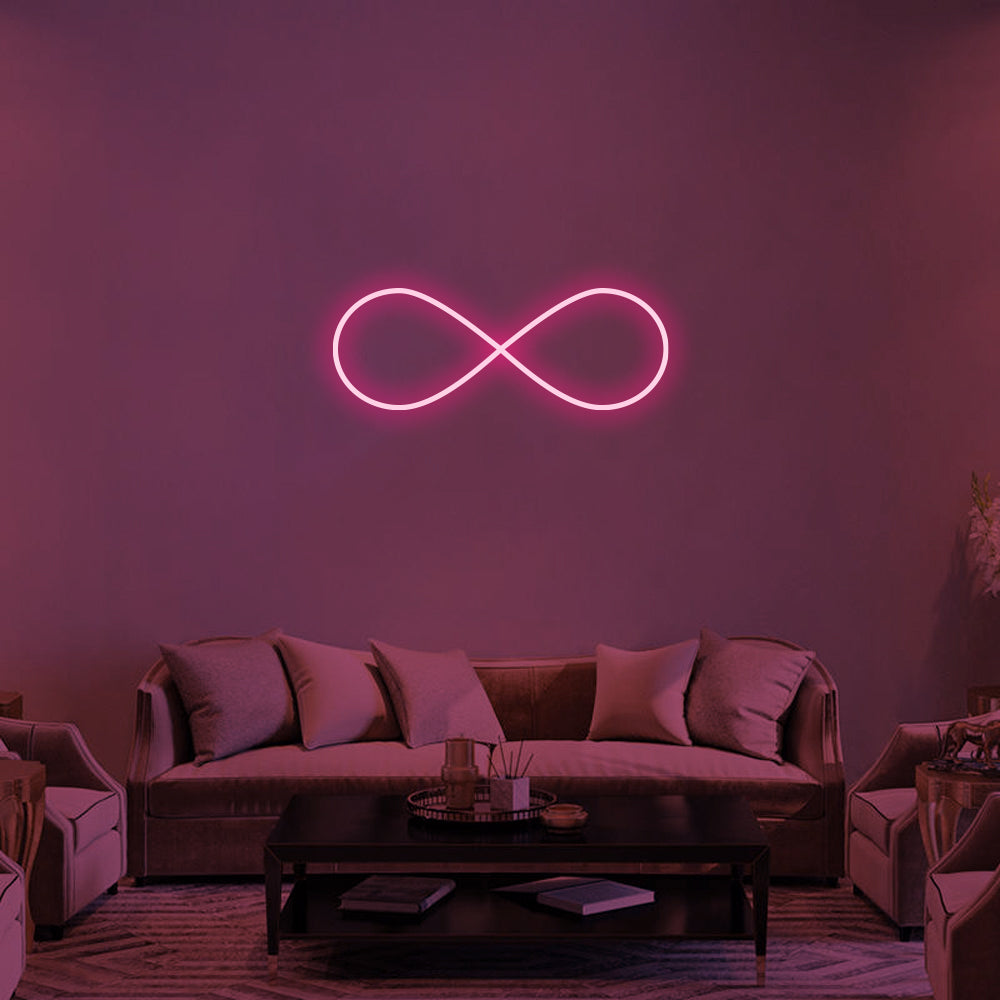
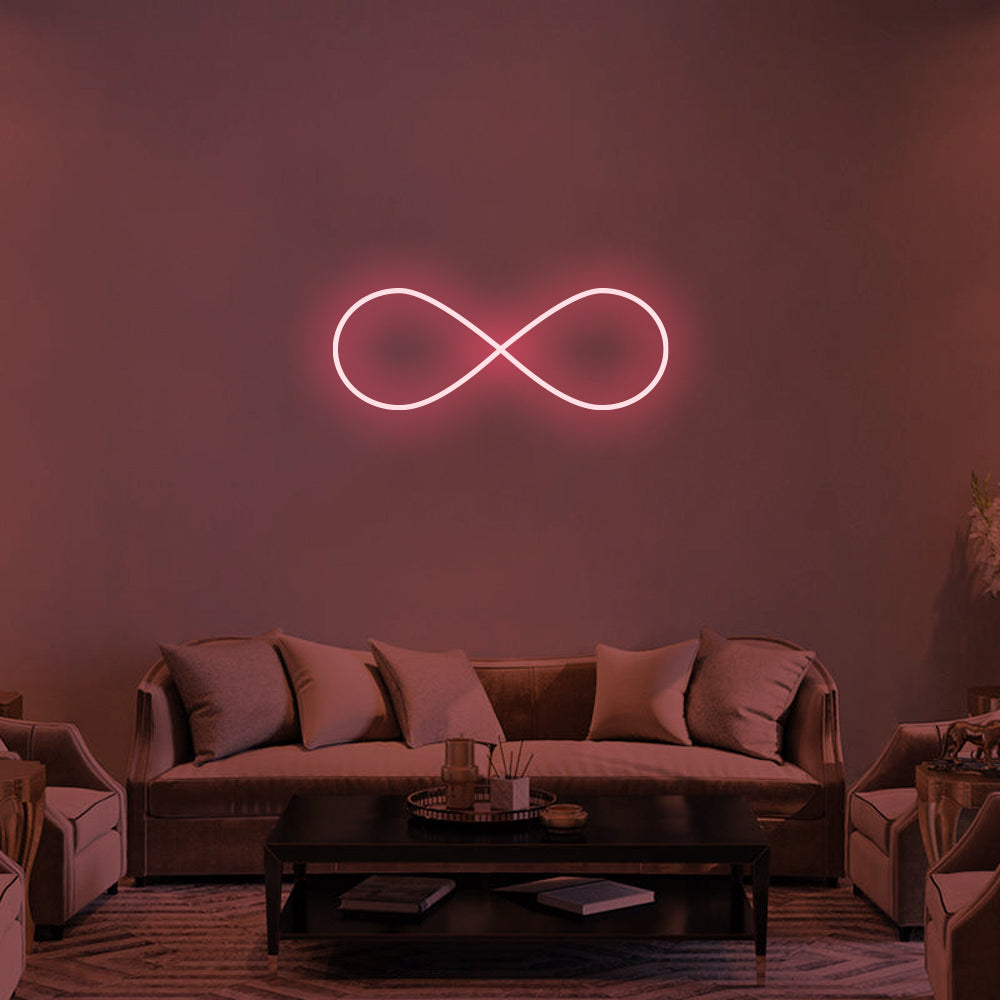
- Atmosphere and personality → Custom LED Neon signage
Final thought
Acrylic signs don’t dominate a space — they define it quietly.
Their strength isn’t in grabbing attention, but in creating a clean, intentional presence that supports your brand without overwhelming it.
In many interiors, that’s exactly what makes them work.