A Practical Guide to Choosing the Right Sign Material
When people start looking for signage, they usually focus on design—colors, fonts, or logo placement.
But in reality, the material you choose has a much bigger impact on:
- how your sign looks in real space
- how it performs in different lighting conditions
- how long it lasts
- and how your brand is perceived
That’s why understanding different sign materials is the first step before deciding on style or layout.
The main types of sign materials
Most modern signage can be grouped into a few core material categories. Each one serves a different purpose.
🔷 Acrylic signs — clean and versatile
Acrylic signs are one of the most widely used materials in modern signage.
They are known for their smooth surface and clean appearance, making them ideal for:
- office branding
- reception areas
- retail interiors
They can be used in different formats, including custom acrylic backlit signs for business logo, acrylic channel letters sign, or custom ultra-thin acrylic light box signs.
If you’re looking for a modern and minimal look, acrylic signs are often the best starting point.
🔶 Metal signs — durable and premium


Metal signs are typically used when durability and a premium feel are required.
They are commonly seen in:
- storefront signage
- outdoor branding
- corporate environments
Options range from metal channel letters and custom 3D metal backlit sign box to simpler formats like non-lit letter sign or ultra-thin metal letters.
Compared to acrylic, metal signs feel more solid and long-lasting, especially in outdoor conditions.
🟨 Lightbox signs — visibility and impact


If visibility is your priority, lightbox signs are one of the most effective options.
They are designed to be illuminated from within, making them highly visible both day and night.
Common formats include:
- custom wall mounted lightbox brand signs
- custom fabric lightbox signs for event exhibitions
- custom freestanding display lightbox signs
For businesses that rely on foot traffic or outdoor exposure, lightbox signs are often the most practical choice.
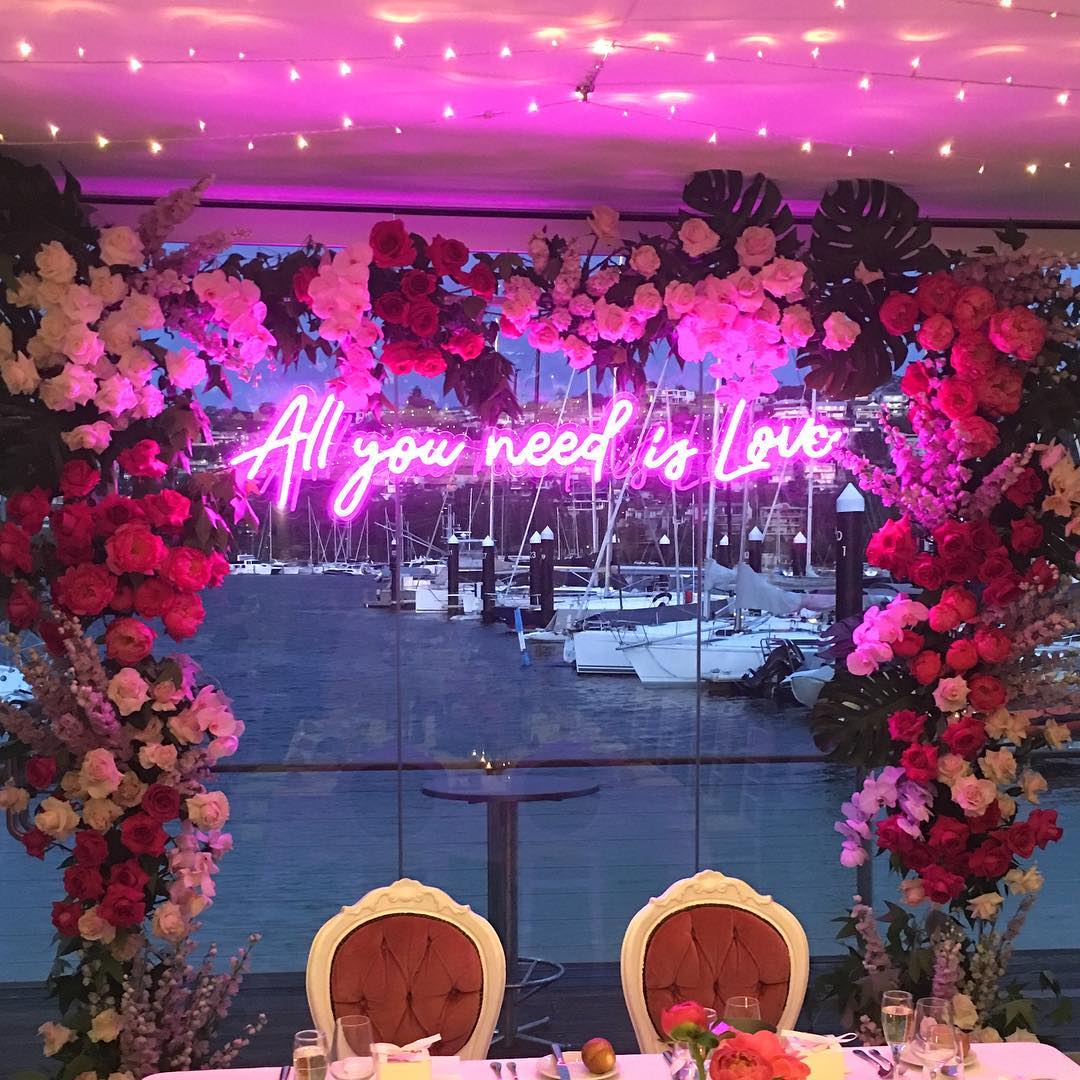
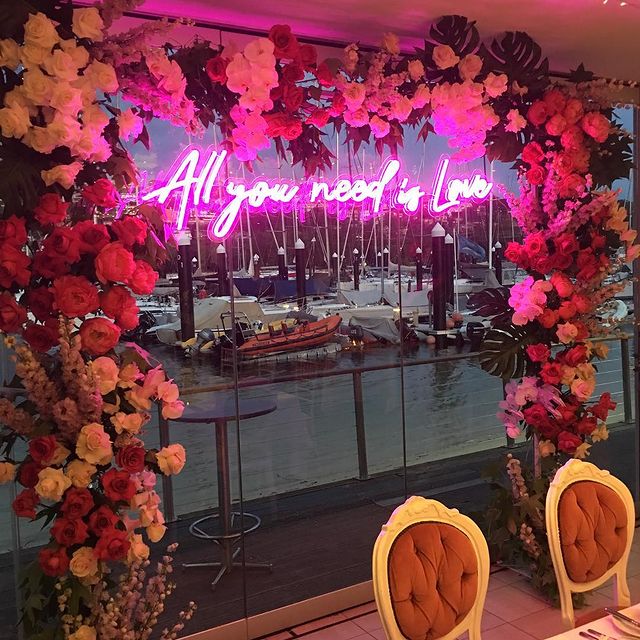
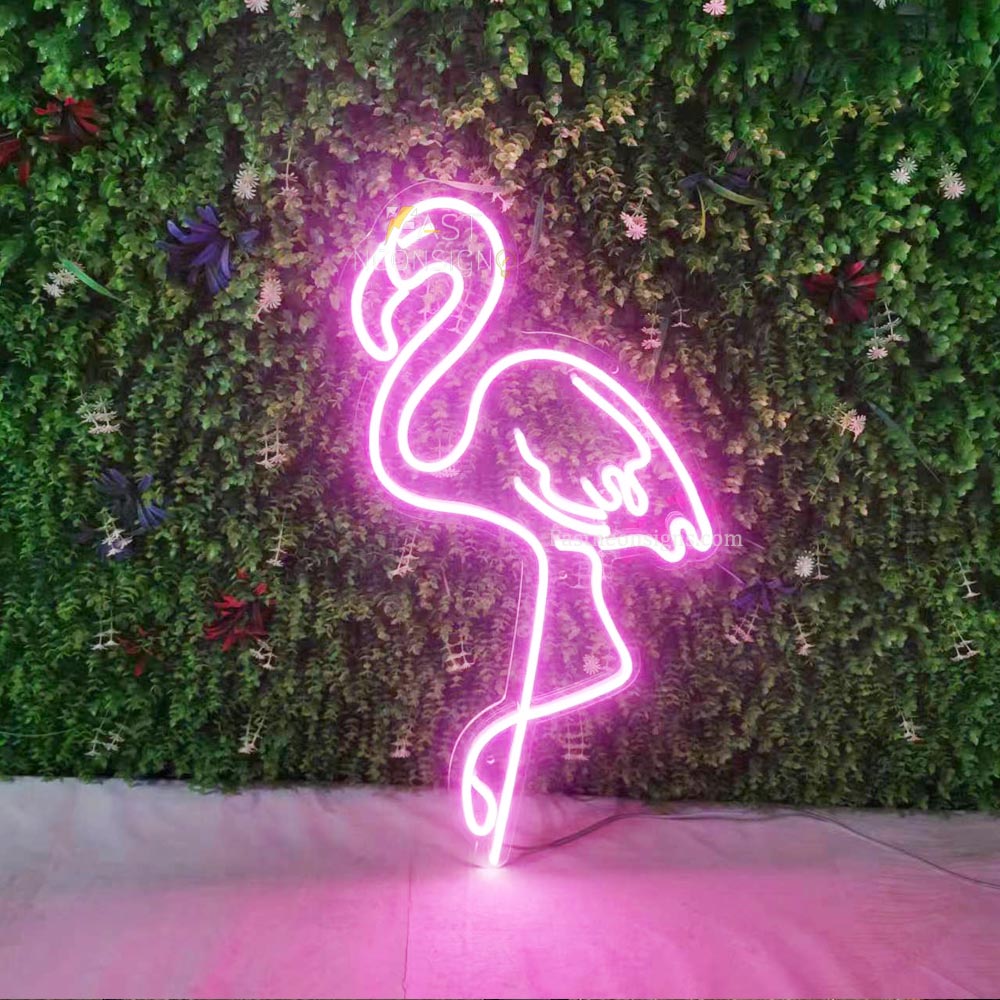
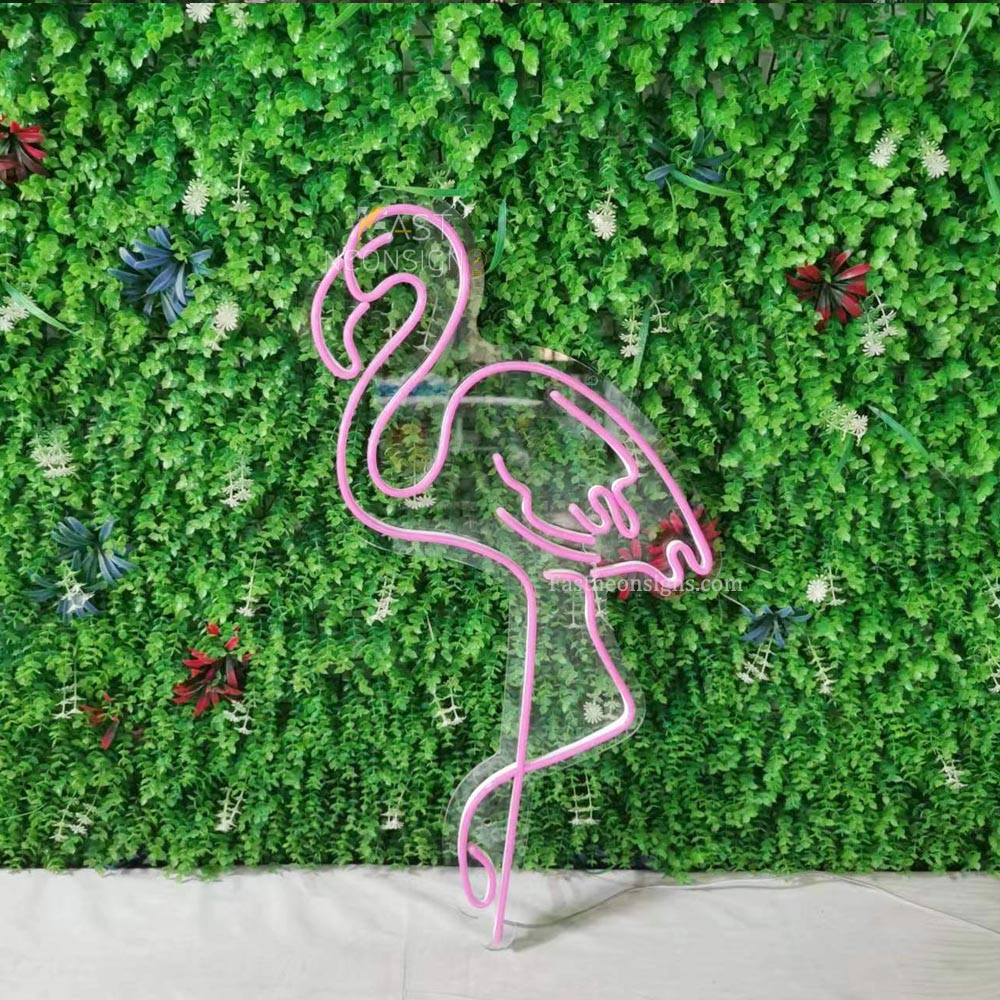
🟣 LED neon signs — expressive and flexible


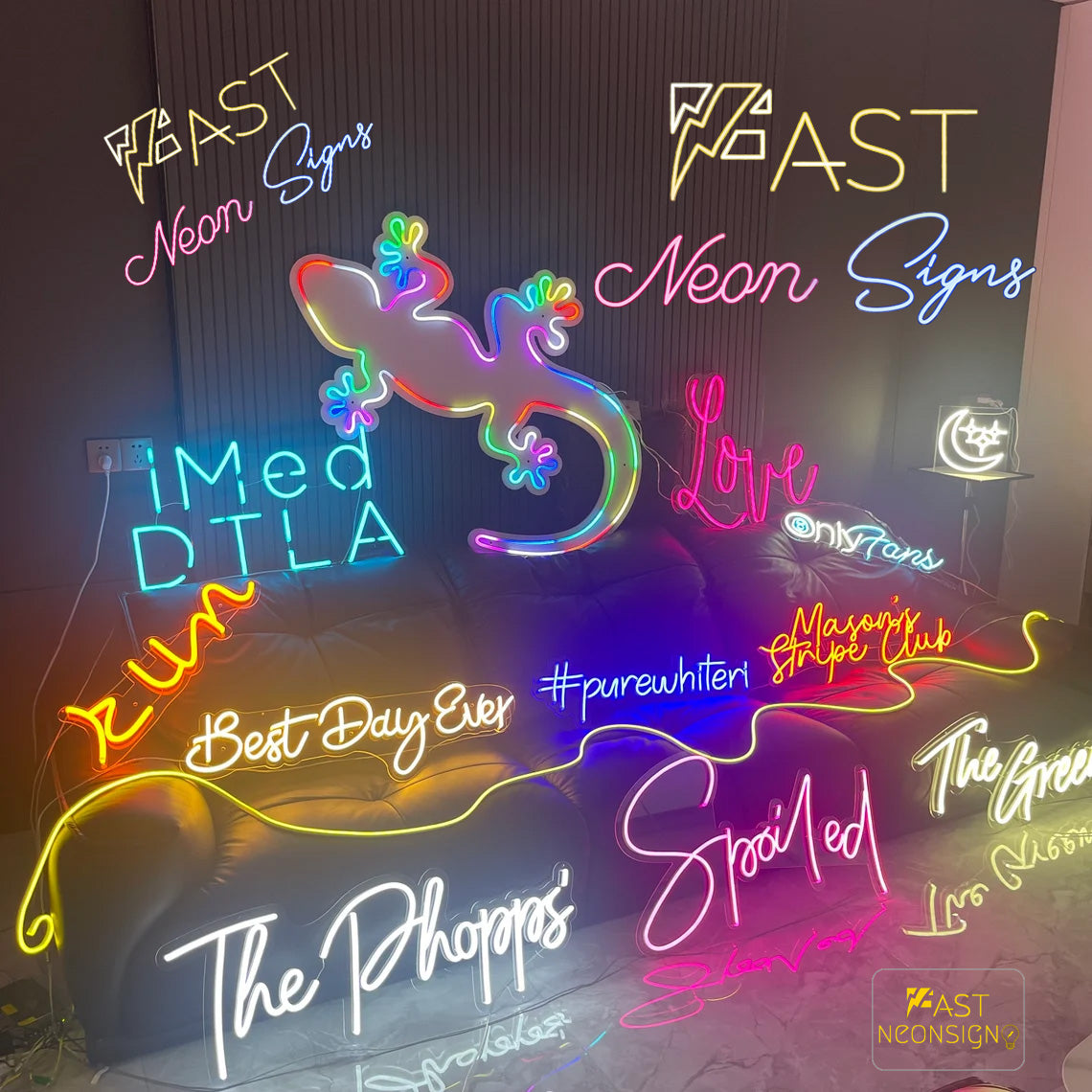
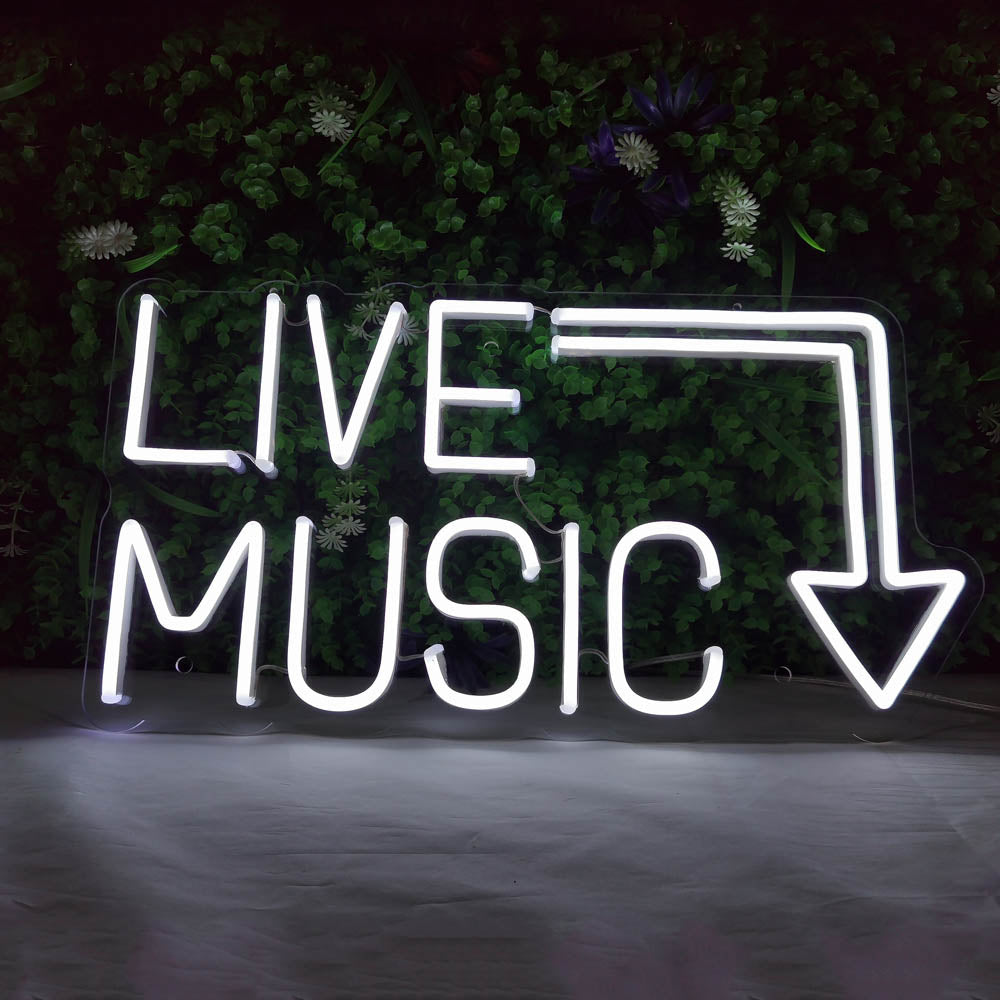
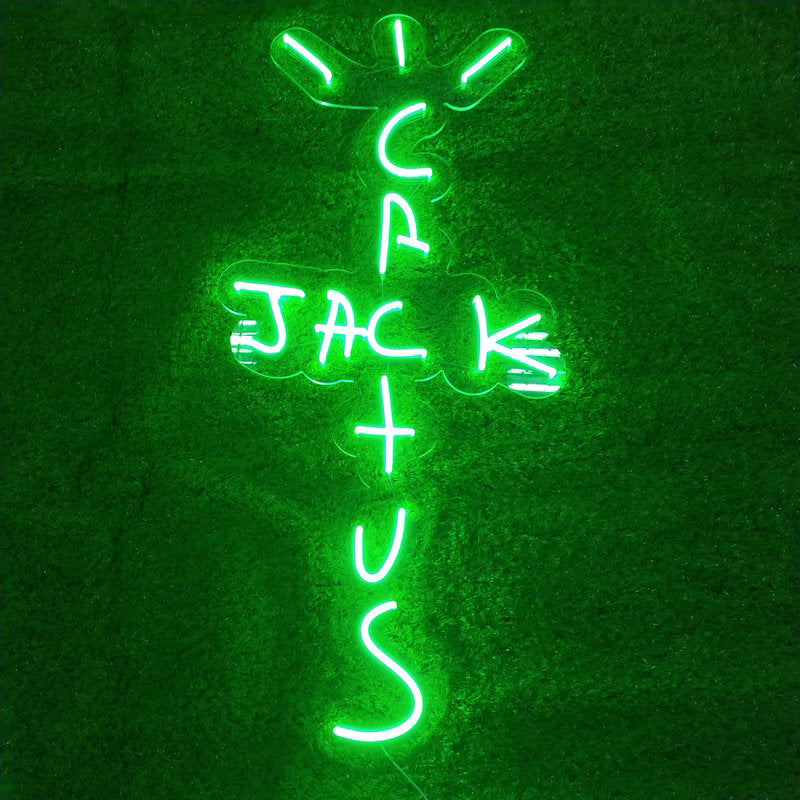
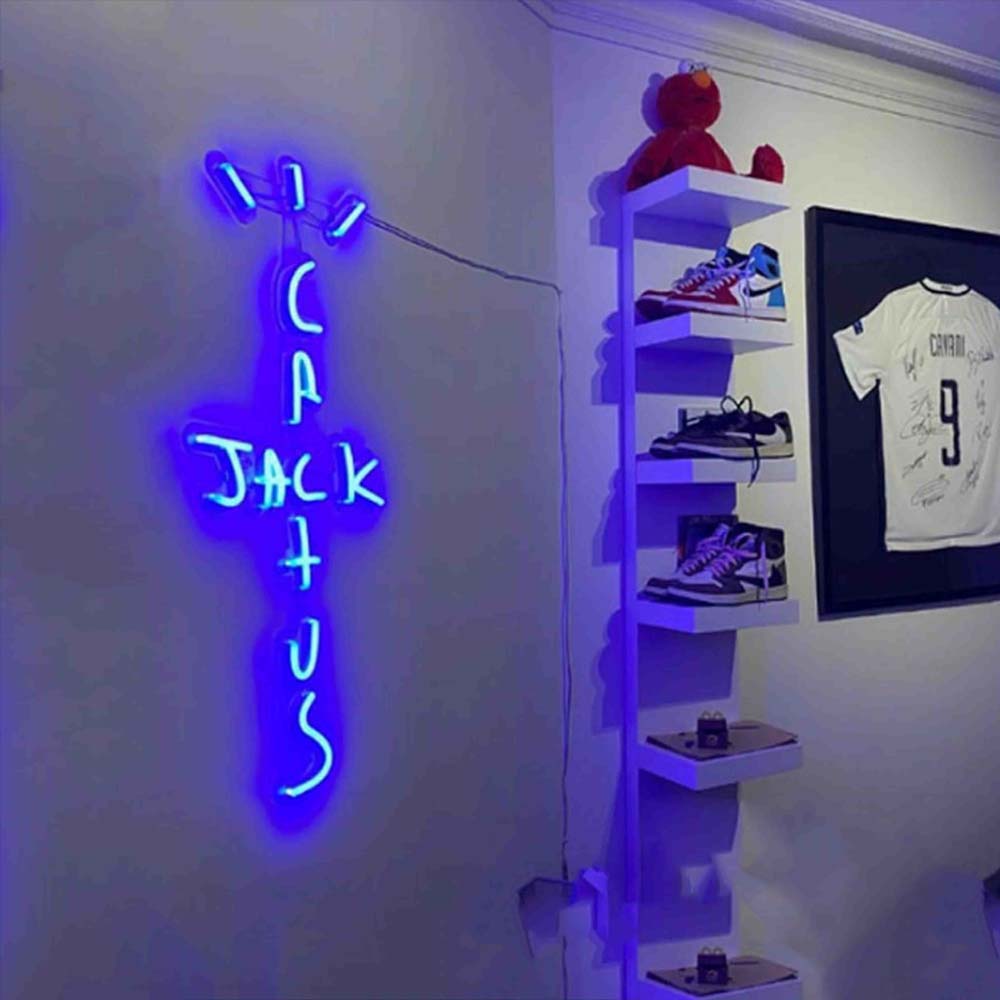
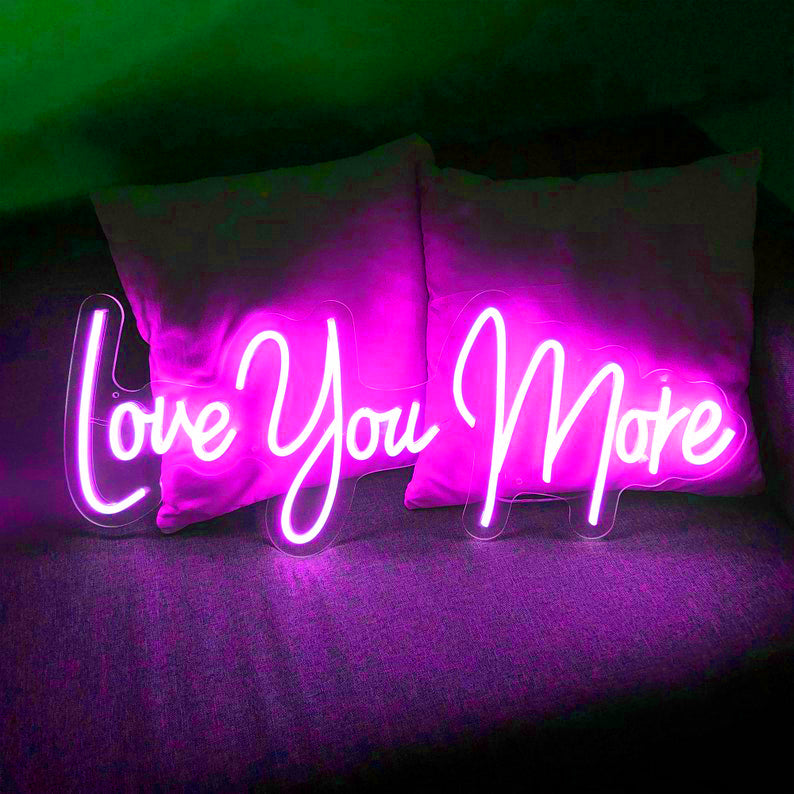
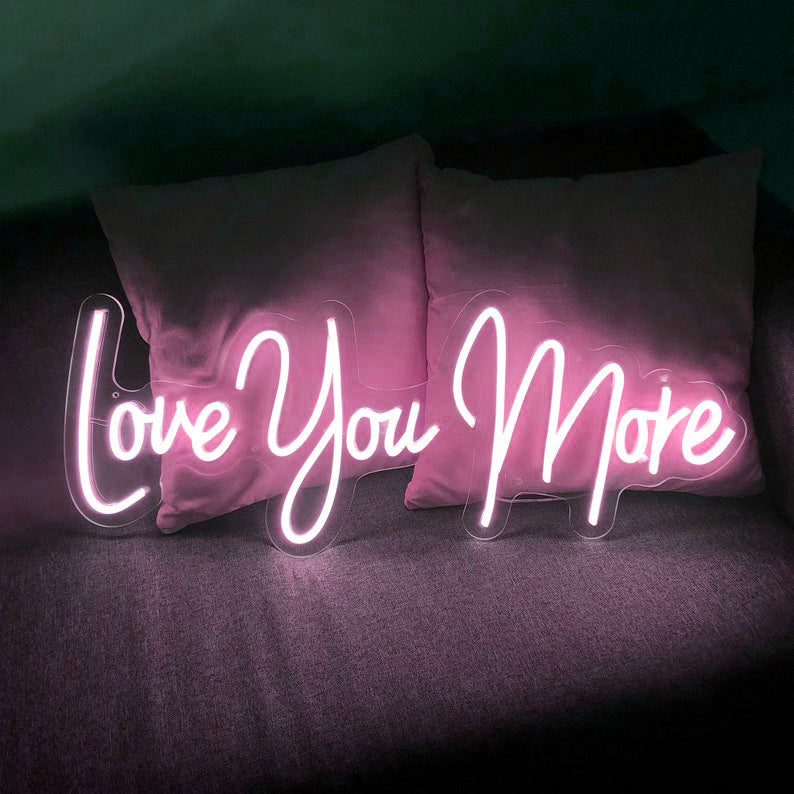
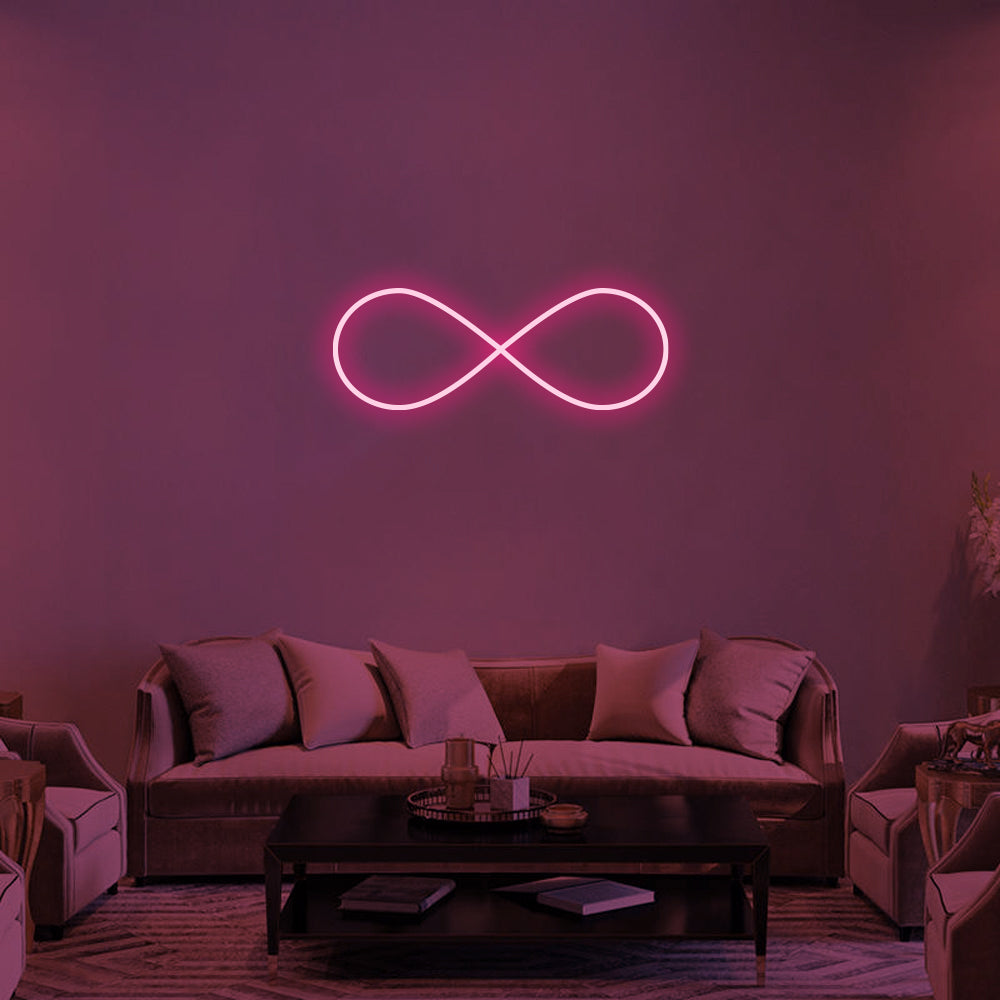
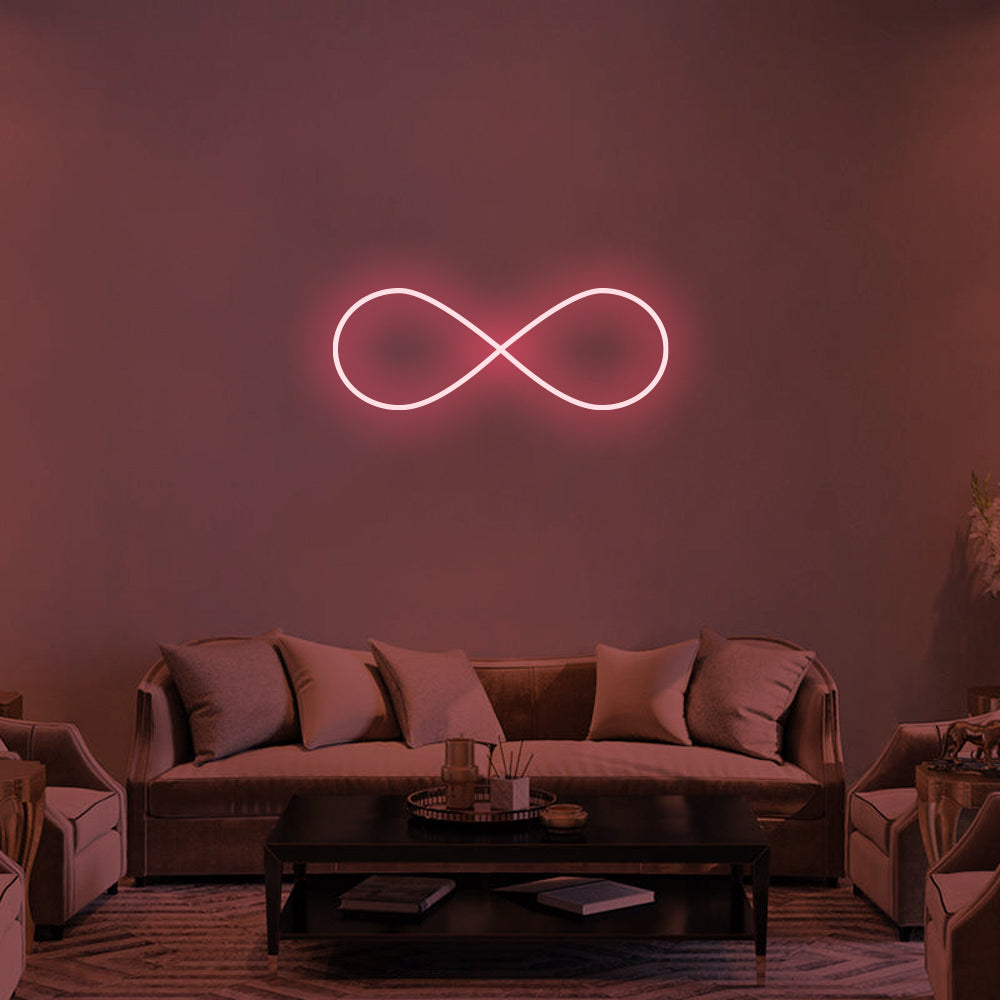
LED neon signs are widely used for both branding and decoration.
They are especially effective when you want:
- a creative or relaxed look
- custom shapes or handwritten styles
- atmospheric lighting
From business neon signs to home decor neon sign styles, neon offers a level of flexibility that other materials don’t.
Lighting styles across materials
Material and lighting are closely connected.
Common lighting styles include:
- frontlit signage → bright and direct
- backlit signage → soft halo glow
- halo-lit signage → subtle, premium effect
- non-lit signs → clean and minimal
These lighting styles can be applied across different materials such as acrylic, metal, and channel letter signs.
Choosing the right material for your space
Instead of asking “which material is best,” it’s more useful to ask:
👉 what role the sign needs to play
For clean interior branding
- acrylic signs
- custom acrylic light box for business
For premium and durable signage
- metal signs
- metal channel letters
For visibility and advertising
- lightbox signs
- business light box
For atmosphere and decoration
- LED neon signs
- custom neon signs
Explore by Use Case
To narrow down your choice, you can also explore by application:
- restaurant signs
- beauty, nail & hair salons
- custom signage for business retail store
- custom signage for shopping mall & business place
- custom signage for office studio
How materials work together
In real projects, signage is rarely limited to just one material.
For example:
- storefront → channel letter signs + lightbox signs
- interior branding → acrylic signs + LED neon signs
- exhibitions → fabric lightbox + freestanding display lightbox
Combining materials allows you to balance visibility, branding, and atmosphere.
Final thoughts
Choosing the right sign material is not about trends—it’s about function.
Each material serves a different purpose, and the best results usually come from understanding how they work together.
If you’re still deciding, start by exploring:
- acrylic signs
- metal signs
- lightbox signs
- LED neon signs
From there, you can refine your choice based on your space, brand, and goals.