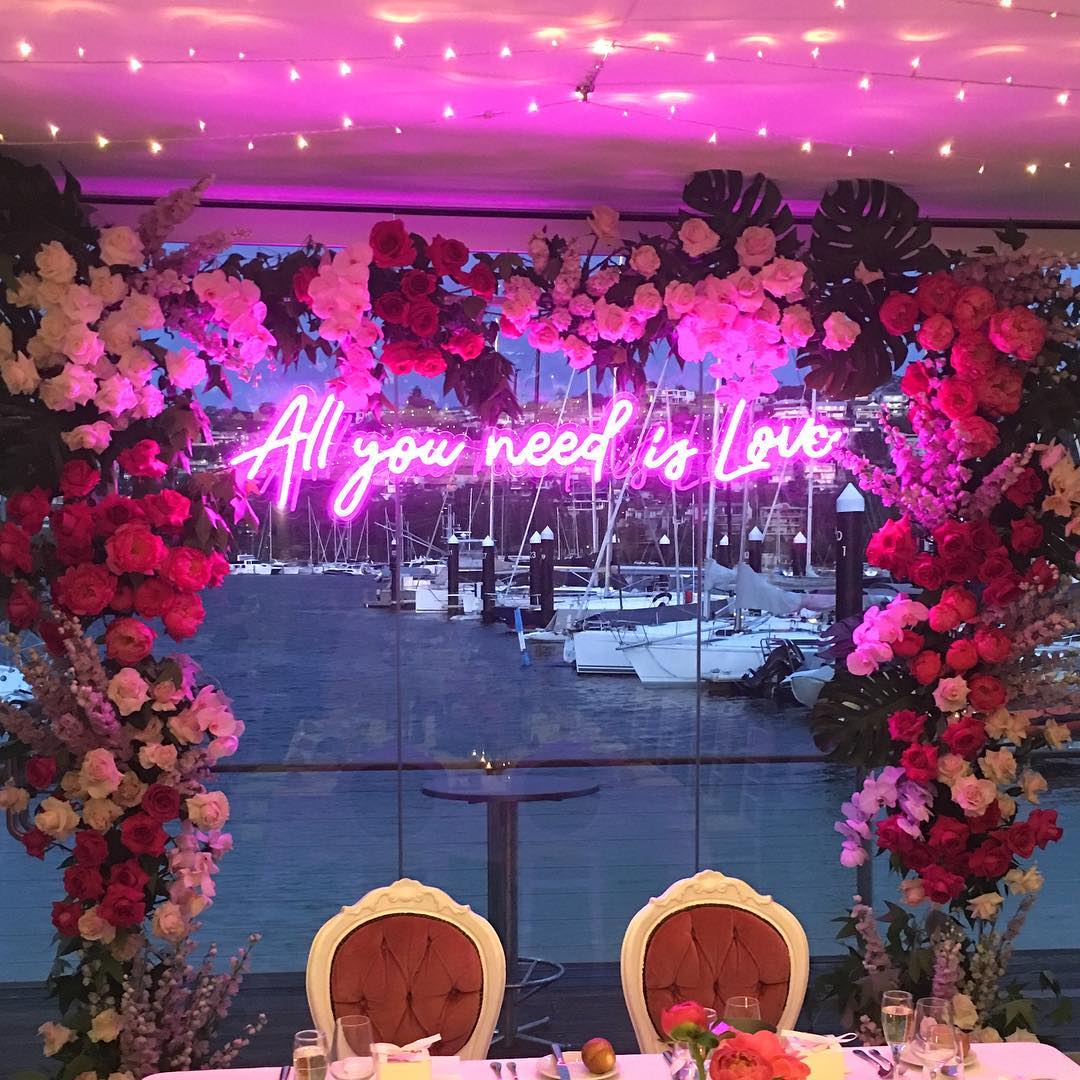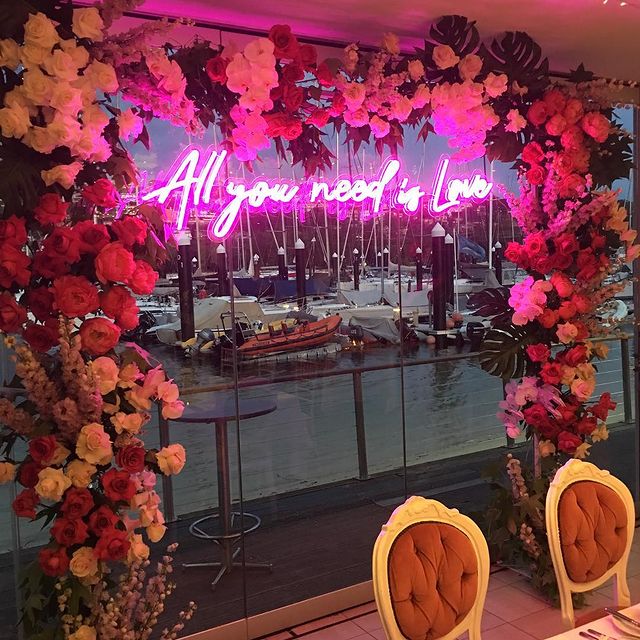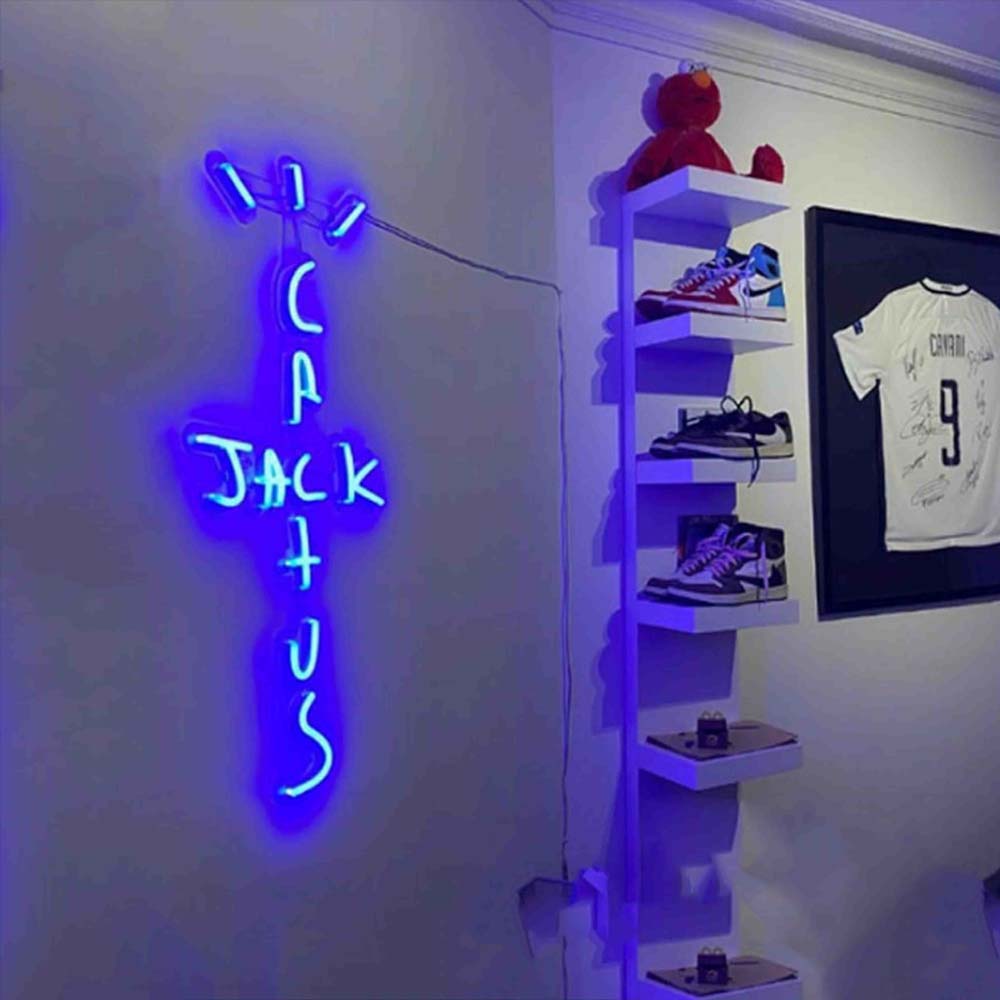
Before choosing materials, lighting, or style, there’s a more fundamental question:
👉 Will your sign be used indoors or outdoors?
This decision affects everything — from visibility and durability to overall design direction.
The core difference
- Outdoor signs are designed to be seen from a distance and withstand environmental conditions
- Indoor signs are designed for close viewing, branding, and atmosphere
👉 One focuses on visibility
👉 The other focuses on experience
Outdoor signs: built for visibility
Outdoor signage needs to compete with its surroundings — daylight, traffic, and other businesses.
What matters most
- High brightness
- Weather resistance
- Long-distance readability
- Strong visual impact
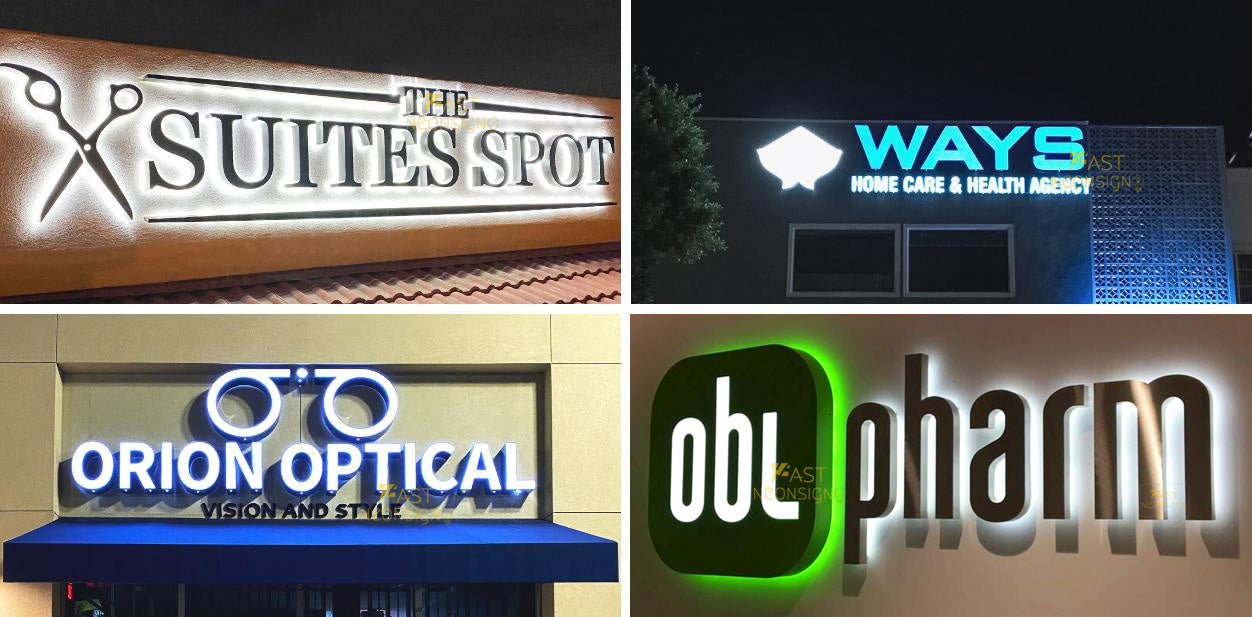
Common outdoor sign types
- <a href="/collections/lightbox-signs">Lightbox signs</a>
- <a href="/collections/channel-letter-signs">Channel letter signs</a>
- <a href="/collections/metal-signs">Metal signs</a>
Where they are used
- Storefront signage
- Restaurant facades
- Retail shops
- Commercial buildings
👉 If your goal is to attract attention from the street, outdoor signage is essential.
Indoor signs: built for branding
Indoor signage works differently.
By the time people see it, they are already inside your space.
What matters most
- Design and aesthetics
- Brand presentation
- Material quality
- Integration with interior space
Common indoor sign types
- <a href="/collections/acrylic-signs">Acrylic signs</a>
- <a href="/collections/led-neon-signs">LED neon signs</a>
- <a href="/collections/backlit-signs">Backlit logo signs</a>
Where they are used
- Reception areas
- Retail interiors
- Offices and studios
- Salons and clinics
👉 Indoor signage is less about visibility — and more about how your brand feels.
Materials: what actually changes
The indoor vs outdoor decision directly affects what materials work.
Outdoor-friendly materials
- Metal (durable, weather-resistant)
- Sealed acrylic with LED systems
- Aluminum frames
Indoor-focused materials
- Acrylic panels
- Neon-style LED
- Slim lightbox displays
👉 Some materials overlap, but how they are built and installed is different.
Lighting: bright vs controlled
Lighting plays a different role depending on the environment.
Outdoor lighting
- Strong illumination
- High contrast
- Designed for visibility even at night
👉 Common in <a href="/collections/lightbox-signs">front-lit lightbox signs</a>
Indoor lighting
- Softer and more controlled
- Often used to enhance mood or highlight branding
👉 Seen in <a href="/collections/backlit-signs">backlit signage</a> or neon displays
A simple way to decide
If you're unsure, start with this:
- Need to be seen from a distance → Outdoor signage
- Need to enhance your interior space → Indoor signage
👉 In most cases, businesses need both.
Using both together (recommended)
The most effective signage systems combine both types.
Example setup
- Outside → Lightbox or channel letters for visibility
- Inside → Acrylic or backlit logo for branding
👉 This creates a complete experience:
👉 Attract → Enter → Experience
Quick comparison
| Feature | Indoor Signs | Outdoor Signs |
|---|---|---|
| Purpose | Branding | Visibility |
| Viewing Distance | Close | Far |
| Lighting | Soft / controlled | Bright / strong |
| Materials | Acrylic, neon | Metal, lightbox |
| Environment | Controlled | Weather exposure |
Related sign types
Explore different signage options based on your needs:
- <a href="/blogs/sign-materials-types/acrylic-signs-guide">Acrylic Signs Guide</a>
- <a href="/blogs/sign-materials-types/lightbox-signs-guide">Lightbox Signs Guide</a>
- <a href="/blogs/sign-materials-types/channel-letters-guide">Channel Letters Guide</a>
Final thought
Choosing between indoor and outdoor signage isn’t about picking a product — it’s about understanding how your space works.
The right combination doesn’t just display your brand.
It guides how people see it, approach it, and experience it.