
Channel letter signs are one of the most widely used signage systems in commercial spaces—but they’re often misunderstood.
Most people recognize them immediately on storefronts, yet aren’t sure how they work, what types exist, or how to choose the right version.
This guide breaks it down from a design perspective—so you can choose a solution that actually fits your space.
What are channel letter signs?
Channel letters are three-dimensional letters, typically mounted directly onto a wall or building facade.
Each letter is individually constructed and can be illuminated in different ways, making them both functional and visually impactful.
You’ll commonly see them used for:
- Storefront signage
- Restaurant branding
- Exterior building logos
Unlike flat signs, they add depth, shadow, and structure—making the brand feel more integrated into the architecture.
Why designers choose channel letters
From a design standpoint, channel letters sit somewhere between signage and architecture.
They are chosen when:
- The sign needs to be visible from a distance
- The brand should feel permanent and established
- The space benefits from depth and dimensionality
👉 Compared to lightbox signs, they feel more built-in.
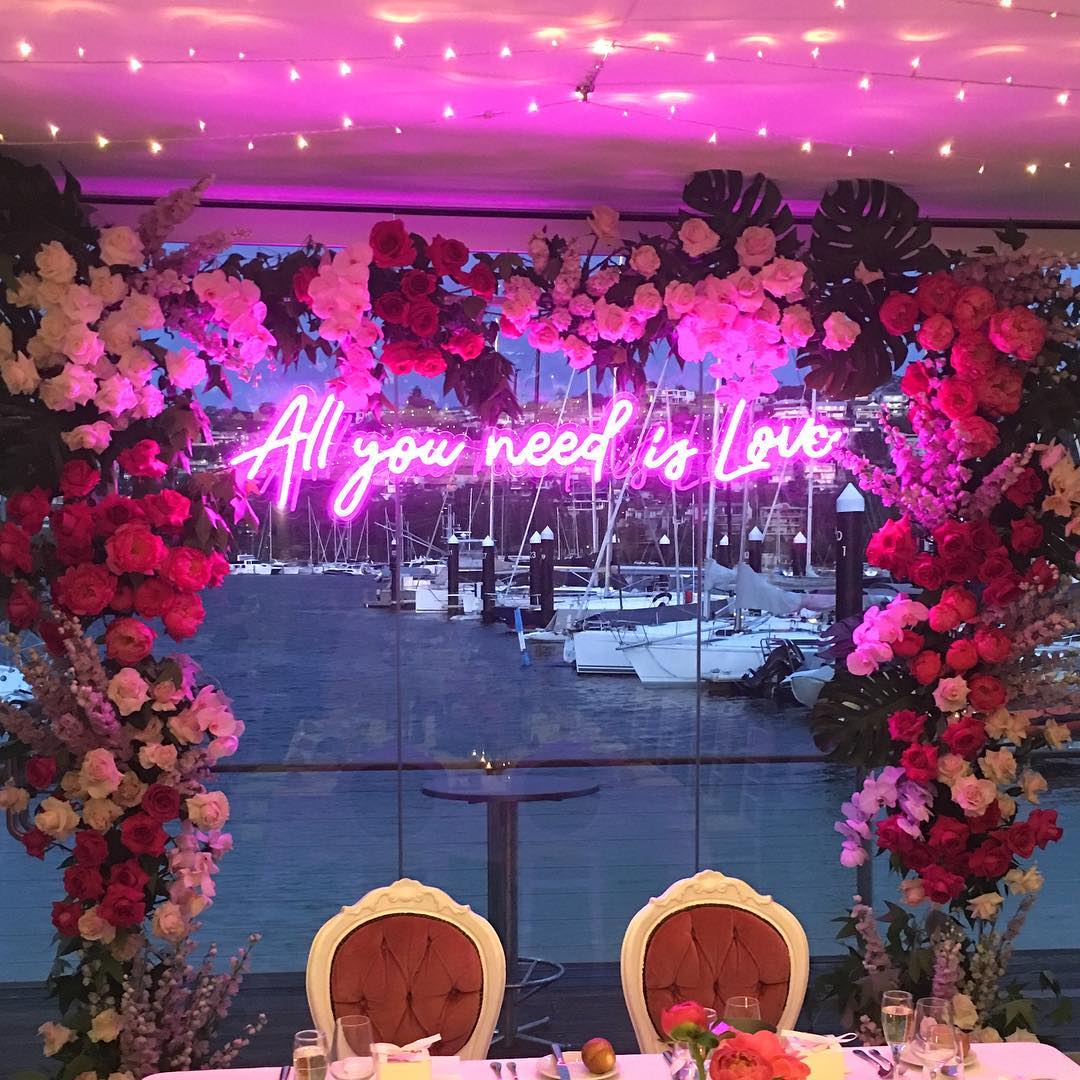
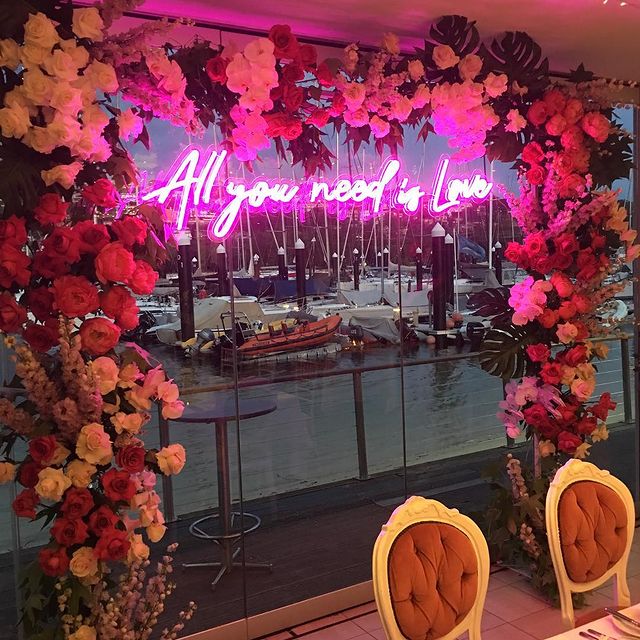
👉 Compared to neon signs, they are more structured and legible.
Types of channel letter signs
Not all channel letters look the same. The lighting method makes a big difference.
Front-lit channel letters
These are the most common type.
Light shines through the front face of each letter, creating a bright and highly visible result.
Best for:
- Outdoor signage
- High-traffic streets
- Businesses that rely on clear visibility
👉 If readability is your top priority, this is usually the safest choice.
Backlit (halo-lit) channel letters
Instead of lighting the front, these project light onto the wall behind the letters.
This creates a soft “halo” glow around each letter.
Best for:
- Premium brands
- Minimalist storefronts
- Spaces where atmosphere matters
👉 Designers often choose this when they want something more subtle and refined.
Front & back-lit (combination)
Some channel letters combine both methods.
They offer:
- Strong visibility from the front
- Ambient glow around the edges
👉 This is often used when you want both clarity and visual impact.

Non-illuminated channel letters
Not all channel letters need lighting.
These rely on:
- Material
- Depth
- Shadow
They’re commonly used for:
- Interior branding
- Office signage
- Minimal design environments
👉 Often paired with acrylic signage or metal finishes.

Materials used in channel letters
Channel letters are typically made from a combination of materials:
- Acrylic Channel Letters → for the face (light diffusion, color)
- Metal (aluminum/stainless steel) → for the sides and structure
- LED modules → for illumination
The material choice affects:
- Durability
- Finish (matte, brushed, glossy)
- Overall brand perception
Size and placement considerations
Choosing the right size depends on distance and building scale.
Storefront signs
- 100–200 cm (40–80 inches) width or more
- Larger if visibility from across the street is needed
Indoor use
- Smaller sizes (50–120 cm)
- Often used as logo walls or reception signs
👉 If you're unsure, refer to a sign size guide before finalizing dimensions.
Installation methods (simplified)
There are two main installation approaches:
Direct mount
Letters are mounted individually onto the wall.
- Clean and minimal
- Requires precise positioning


Raceway mount
Letters are attached to a backing panel that holds wiring.
- Easier installation
- Less wall modification
- Slightly more visible structure


👉 Designers choose based on how clean or practical the setup needs to be.
Channel letters vs other sign types
vs Lightbox signs
- Lightbox → flat, highly visible
- Channel letters → dimensional, architectural
vs LED neon signs
- Neon → expressive, atmospheric
- Channel letters → structured, legible
vs Acrylic signs
- Acrylic → subtle, interior-focused
- Channel letters → bold, exterior-focused

When to choose channel letters
Channel letters are the right choice when:
- You need strong brand visibility
- The sign is part of the building facade
- You want a professional, permanent look
They’re especially effective for:
- Retail stores
- Restaurants
- Commercial spaces
A simple way to decide
If your sign needs to be seen from across the street and feel like part of the building—not just attached to it—
👉 Channel letters are usually the right direction.
FAQ
Q: Are channel letter signs suitable for outdoor use?
A: Yes, they are commonly designed for outdoor durability.
Q: Do channel letters consume a lot of power?
A: Modern LED-based systems are energy-efficient.
Q: Which is better: front-lit or halo-lit?
A: Front-lit for visibility, halo-lit for atmosphere.
Designing signage that feels built-in
Good signage doesn’t just sit on a wall—it belongs to the space.
Channel letters work best when they align with the architecture, the scale of the building, and how people approach it.
When done right, they don’t just display a name—they define presence.